Whether you’re a policy-maker looking for a partner to turn an idea into real-world outcome, an advocacy organization searching for your highest-leverage opportunity in a complex clean energy environment, or a funder looking to move capital where it matters most, we show up as true partners: sleeves rolled up, ready to work.
How We Work
We bring together the strategy, the technical expertise, and the experience and on-the-ground relationships to help you move from vision to real-world impact.
Policy Design
We analyze and design policies to achieve scaled impact — ensuring your priorities become effective, durable, real-world outcomes. Our team has extensive experience with energy and climate policy at the federal, state and local levels, and we’ll utilize creativity and hard work to realize your goals.
Program Implementation
We lead on implementation – where policy design collides with real-world constraints. That means managing complex programs, aligning stakeholders, and working through practical implementation challenges, in the government, nonprofit and private sectors. Our team builds and implements successful programs.
Project Deployment
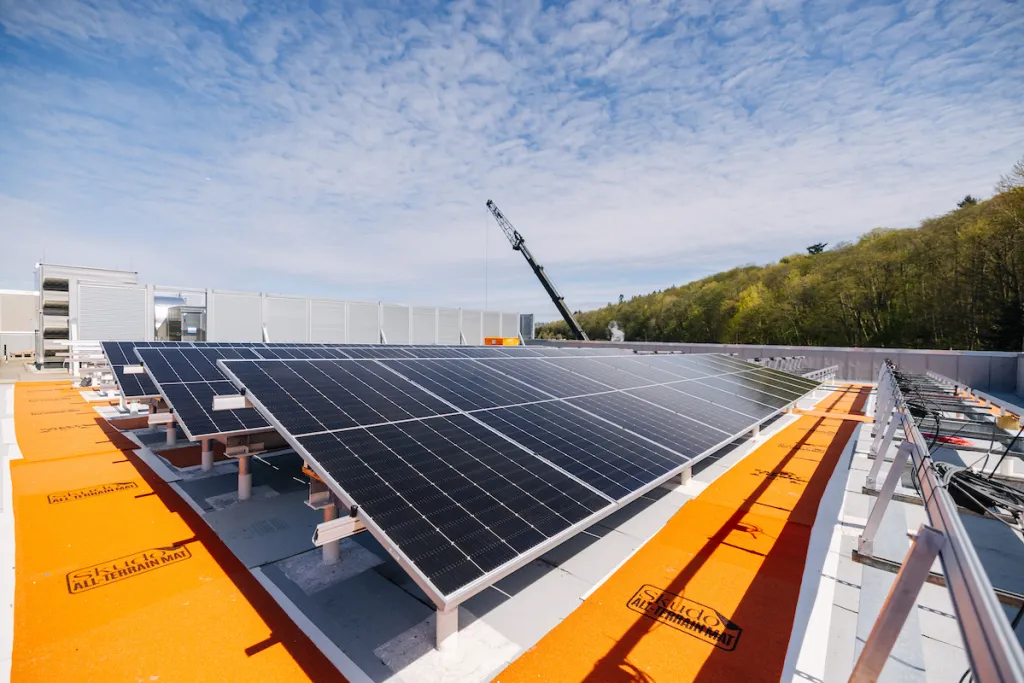
We work at the ground-level to get clean energy projects built and operating. From removing barriers and assisting project sponsors, to empowering builders and educating investors, we provide the hands-on support needed to move projects forward.
Public Support
Building a clean energy economy requires public support. Our team helps effectively communicate and organize support for policies, programs and projects – with communities, consumers, voters, and policymakers.
Piloting Solutions
We build new organizations from the ground up — identifying gaps in the field, designing high-impact pilots, and scaling them into lasting, effective teams. We bring the expertise to get the structure right from the start.
Our Work in Action
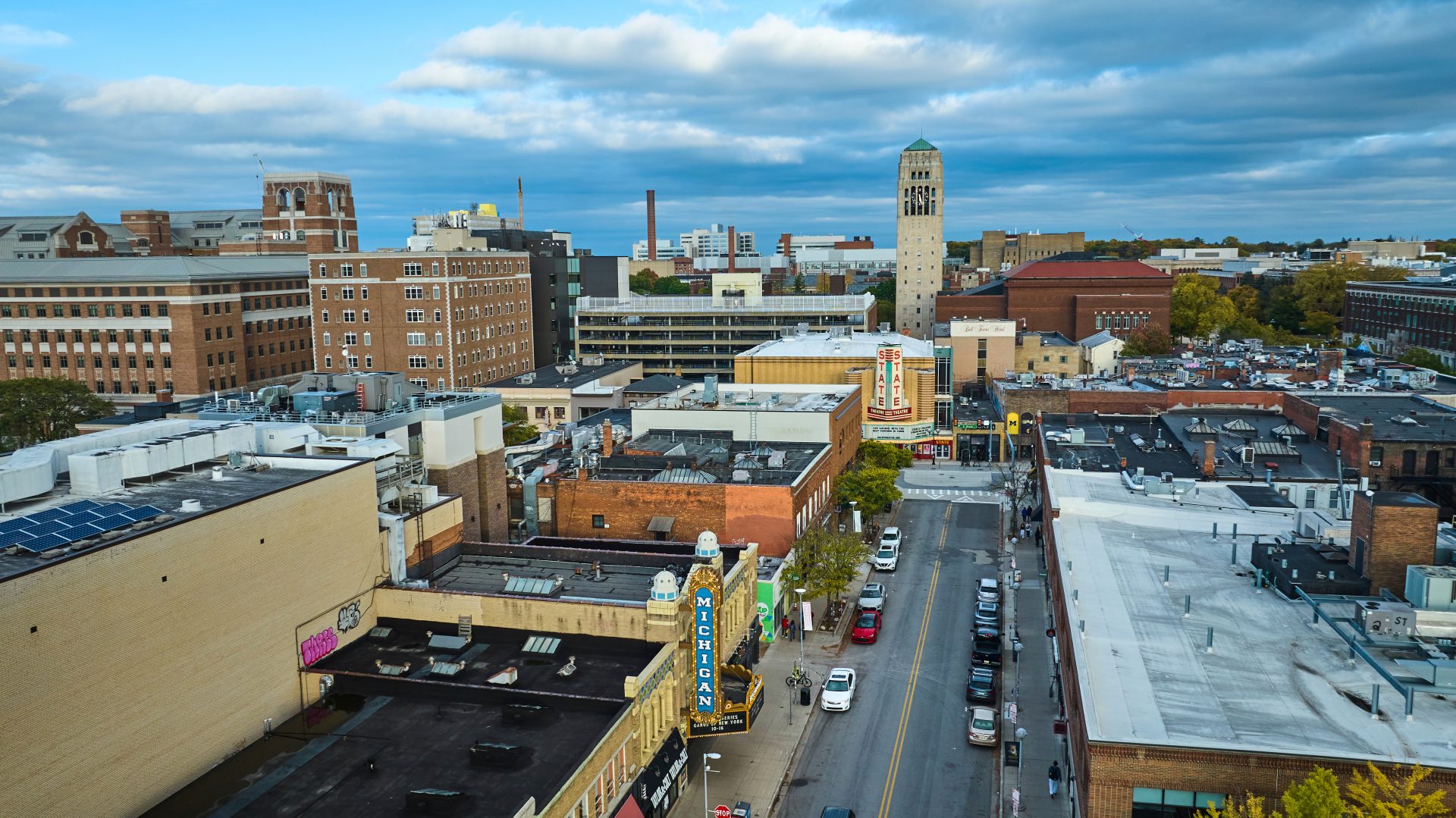
We worked with the state of Michigan to design and launch the Detroit-based Michigan Climate Investment Hub, a public-private partnership that aims to foster relationships between the state of Michigan, private investors, commercial lenders, community lenders, community organizations, philanthropic organizations, and local government.
Learn More
We developed the Energy Affordability Briefing Book for the National Caucus of Environmental Legislators. This brief is a practical tool to empower state leaders to understand the drivers of rising energy bills and provides three major categories of policy options for state legislators to address energy affordability
Learn More
We lead direct engagement for the Washington State Clean Energy Tax Credit Assistance Program (WA CETCAP). This initiative, supported by the Washington State Department of Commerce, is designed to help local governments, tribes, nonprofits, and other tax-exempt entities navigate and take full advantage of clean energy tax credits, from education, to project development, to filing assistance.
Learn More
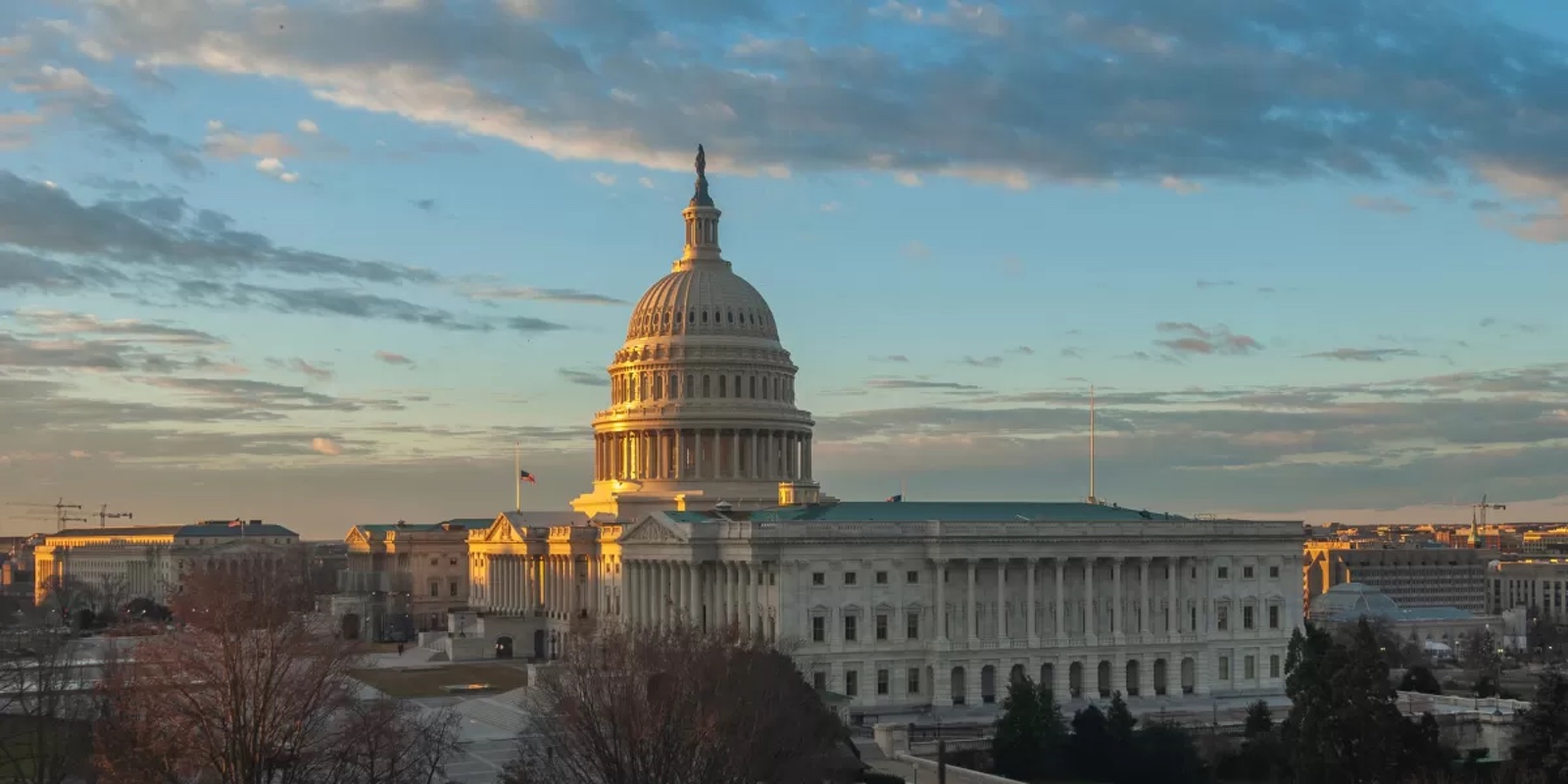
As Congress debated major changes to federal energy policies in 2025, our team worked to ensure stakeholders understood the proposed and enacted legislation, and how it would impact ratepayers, projects, and businesses.
We worked to educate state governments, green banks and other stakeholders about those impacts, with a widely-used comprehensive summary of the One Big Beautiful Bill Act, and state-specific fact sheets summarizing the bill’s localized impacts.
Learn More
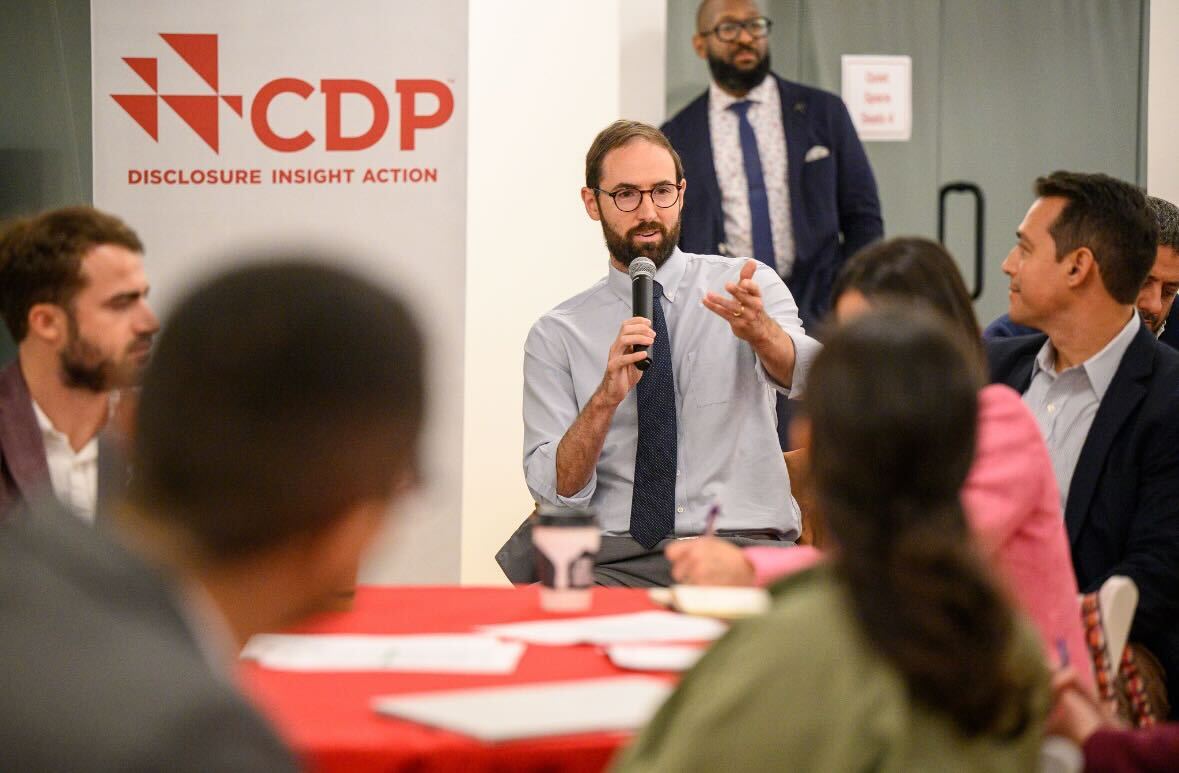
After policymakers adopted major changes to federal energy tax credits, our State Support Center team organized clean energy roundtables in Pennsylvania and North Carolina – connecting state officials, local businesses and industry trade organizations.
These roundtables served to identify near-term actions for the states to accelerate development of solar and wind projects to take advantage of rapidly-expiring tax credits, and for industry representatives to establish ongoing communication channels with state actors in order to identify and overcome project barriers.
Learn More